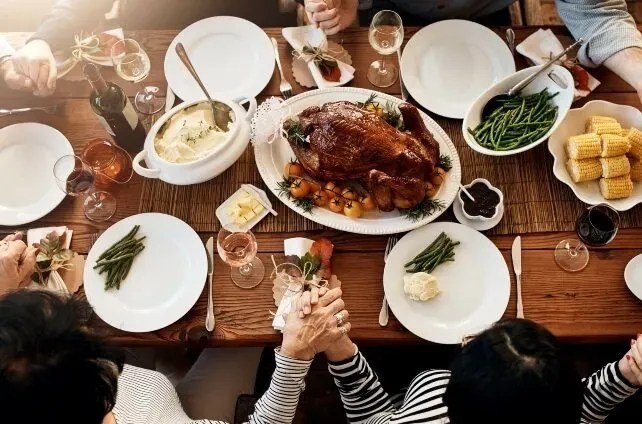
You know that feeling when you walk into a restaurant and it just gets you? It understands why you're there, what you're looking for, and delivers an experience that perfectly matches the moment. That’s the magic of Occasion-Based Dining, and it’s fast becoming the secret sauce for businesses looking to not just survive, but truly thrive, in a dynamic market.
It’s no longer enough to simply serve great food or offer a pleasant atmosphere. Today's diners are seeking experiences meticulously tailored to their specific needs, moods, and reasons for gathering – or even dining alone. Overlooking this fundamental shift isn't just a missed opportunity; it's a critical oversight that can leave significant revenue on the table.
At a Glance: Why Occasion-Based Dining Matters Now
- Customer-Centric Growth: Shift focus from "what we serve" to "why they're here," creating deeper connections.
- Targeted Innovation: Pinpoint specific needs (e.g., quick lunch, romantic dinner, family outing) to develop highly effective products and services.
- Diverse Revenue Streams: Tap into both social (54% of occasions) and alone eating patterns, expanding market reach.
- Enhanced Loyalty: Deliver memorable experiences that resonate, encouraging repeat visits and positive word-of-mouth.
- Competitive Edge: Stand out by offering nuanced solutions that generic competitors can't match.
Beyond the Menu: Understanding the "Why" Behind Every Meal
At its core, Occasion-Based Dining is about understanding the purpose behind every dining choice. It's an approach that moves beyond traditional demographic segmentation, delving into the psychographics and situational context of your customers. Think of it less as selling a meal and more as curating a moment. Is it a hurried lunch between meetings, a celebratory family dinner, a quiet evening alone, or an attempt to impress a new client? Each scenario demands a different response from your business.
The Hartman Group, a leading food and beverage consultancy, emphasizes this by highlighting the critical differences between alone and social eating occasions. Their research, based on analyzing nearly 15,000 U.S. adult eating and drinking occasions, underlines that while social occasions remain dominant at 54% of the total – representing an opportunity to reach over 196 billion mouths per year – alone eating occasions have significantly increased. This isn't just a statistic; it's a map to understanding consumer behavior and unlocking vast, varied marketing opportunities.
By focusing on the "who, what, when, where, and why" of these occasions, businesses can optimize their efforts and drive innovation. This holistic view allows you to anticipate needs, fulfill desires, and ultimately, grow your business by becoming indispensable for a particular set of dining moments.
The Great Divide: Alone vs. Social Eating – A Goldmine of Opportunity
The distinction between dining alone and dining socially isn't just about the number of people at the table; it informs everything from menu choice and portion size to atmosphere and service style. Recognizing these differences is your first step toward strategic growth.
Capitalizing on Social Occasions
Social occasions, comprising over half of all eating and drinking moments, are ripe for innovation. These are often planned events, driven by connection, celebration, or specific objectives.
- Celebrations & Milestones: Birthdays, anniversaries, graduations, engagements, and holidays are prime examples. For these, diners seek an elevated experience, a sense of occasion, and often, shareable moments. Think about special menus, celebratory add-ons (like cakes or champagne), and an atmosphere that feels festive and intimate. For couples celebrating something special, curating a truly memorable ambiance can make all the difference, transforming a meal into a cherished memory. Perhaps you're looking for a Perfect Dublin date night; the restaurant that understands this occasion will focus on intimate seating, curated wine lists, and discreet, attentive service.
- Family Gatherings: Dining with family, especially those with children, requires a different approach. Parents prioritize ease, comfort, and options that cater to various tastes and ages. Businesses can differentiate themselves with kid-friendly menus, flexible seating, and even amenities designed to keep younger guests entertained. Imagine a restaurant that goes the extra mile, offering Dublin restaurants with play areas – this instantly makes it a go-to for parents.
- Business & Professional Meals: Lunch meetings, client dinners, and team outings fall into this category. The focus here is on efficiency, discretion, and a professional yet comfortable environment. Private dining rooms, quiet corners, and prompt service are key. Businesses thrive when they can reliably provide a space that facilitates conversation and productivity, making them the preferred choice for those important discussions. Consider how crucial it is to identify the Best Dublin business lunches; these establishments understand the need for quick turnaround, excellent service, and a conducive atmosphere.
Hartman Group's research notes that social occasions often involve a propensity for leftovers, suggesting opportunities for family-style meals, larger portions, or thoughtfully designed takeaway options that extend the experience.
Serving the Alone Diner
While often overlooked, the alone eating occasion is a significant and growing segment. These moments tend to happen at home, driven by convenience, comfort, or a need for a quick, uncomplicated meal.
- Convenience & Speed: For those eating alone, particularly during a busy workday or after a long commute, speed and ease are paramount. Think grab-and-go options, efficient delivery services, or ready-to-heat meals.
- Comfort & Indulgence: Alone dining can also be an act of self-care. Customers might seek comfort food, a specific craving, or a simple, quality meal to enjoy without fuss. Single-serving portions of premium dishes, curated meal kits, or comforting take-out options are all relevant.
- At-Home Focus: As the Hartman Group points out, alone occasions frequently occur at home. This highlights a huge opportunity for CPG manufacturers, ghost kitchens, and restaurants offering robust takeout and delivery programs. How can you bring the restaurant experience, or at least a high-quality meal, directly to someone's home, perfectly portioned for one?
By understanding the distinct needs of these two broad categories – alone vs. social – businesses can move beyond generic offerings and build highly targeted, high-value experiences.
Decoding Occasions: A Framework for Strategic Planning
To truly master Occasion-Based Dining, you need a systematic way to analyze and categorize these moments. We can expand on the "who, what, when, where, why" framework to include "how," giving you a comprehensive lens through which to view every potential dining experience.
The "5 Ws + H" of Every Dining Occasion
- Who is dining?
- Demographics: Age, income level, cultural background.
- Group Size: Solo, couple, small group (3-6), large party (7+).
- Relationship: Family, friends, colleagues, romantic partner, self.
- Role: Host, guest, celebrant, business associate.
- Example: A group of young professionals celebrating a promotion vs. an elderly couple on their anniversary.
- What are they seeking?
- Food Type: Cuisine preference (Italian, Asian, American), dietary restrictions (vegetarian, gluten-free), specific dishes.
- Drink Preferences: Cocktails, wine, craft beer, non-alcoholic options.
- Desired Atmosphere: Lively, intimate, casual, elegant, quiet, family-friendly.
- Specific Needs: Entertainment, accessibility, private space, quick turnaround.
- Example: A desire for innovative fusion cuisine in a trendy setting vs. classic comfort food in a cozy, familiar spot.
- When is this happening?
- Time of Day: Breakfast, brunch, lunch, happy hour, dinner, late-night.
- Day of Week: Weekday, weekend (Friday/Saturday night often higher energy).
- Date: Special holidays (Valentine's Day, Mother's Day), personal milestones (birthday, anniversary).
- Duration: Quick meal (30-45 min), leisurely meal (1.5-2+ hours).
- Example: A Tuesday lunch meeting vs. a Saturday evening celebratory dinner.
- Where is the dining taking place (or where do they want it to take place)?
- On-Premise: Dine-in at a restaurant, cafe, bar.
- Off-Premise: Takeout, delivery to home or office, drive-thru.
- Specific Location: Patio, rooftop, private room, counter seating.
- Example: Picking up a gourmet pizza to eat at home vs. enjoying a multi-course meal in a restaurant's formal dining room.
- Why are they dining?
- Underlying Need:
- Celebration: Birthday, promotion, holiday.
- Connection: Socializing with friends, family bonding, date night.
- Convenience: Quick meal, no time to cook, traveling.
- Comfort: Craving specific food, feeling nostalgic.
- Indulgence/Treat: Special splurge, reward.
- Business: Client meeting, team lunch, networking.
- Health/Wellness: Dietary goals, mindful eating.
- Experience/Novelty: Trying new restaurant, unique cuisine.
- Example: A family celebrating a child's successful report card vs. an individual needing a healthy, quick meal after a workout.
- How is the experience unfolding?
- Service Style: Full service, counter service, buffet, self-serve.
- Ordering Process: In-person, online, app, phone.
- Payment Method: Individual bills, group bill, corporate card.
- Preparation Method: Fine dining plating, rustic family style, grab-and-go.
- Example: A formal tasting menu with sommelier service vs. a casual buffet with self-service.
By systematically answering these questions for various potential customer occasions, you can begin to map out tailored strategies for your business.
Crafting Experiences: Tailoring Your Offering to Occasion Types
Once you've identified your target occasions, the real work begins: designing products, services, and environments that perfectly match those moments.
Menu Innovation with Purpose
Your menu is the most obvious touchpoint, but occasion-based thinking goes beyond just offering "dinner specials."
- Curated Occasion Menus: Develop specific menus for holidays, corporate events, or even romantic dinners. A "Date Night Menu" might offer a fixed price for two with courses designed for sharing, while a "Family Feast" could feature larger portions and kid-friendly options.
- Portioning & Format: Offer individual portions for alone diners and larger, shareable plates for social gatherings. Consider "build-your-own" options for groups with diverse preferences, or pre-set "flight" options for solo explorers.
- Dietary Accommodations: Don't just list allergens; highlight dishes that are naturally gluten-free, vegetarian, or vegan, making it easier for diverse groups to dine together without fuss.
- Themed Offerings: Align dishes with seasonal events, local festivals, or even specific cultural moments to create a sense of timely relevance and excitement.
Ambiance and Atmosphere: Setting the Stage
The environment plays a massive role in occasion fulfillment. It's about creating the right mood.
- Lighting & Sound: Warm, dim lighting and soft background music for intimate or romantic occasions; brighter lighting and more upbeat music for lively celebrations.
- Seating Arrangements: Flexible seating is key. Offer cozy booths for couples, larger communal tables for friends, and private rooms for business meetings or family gatherings.
- Decor & Theme: Subtle changes in decor can signal an occasion. Special centerpieces, festive signage, or even a different table setting can elevate the experience. For that important Best Dublin business lunch, a quiet, elegantly understated interior is often preferred, allowing for focused conversation.
- Amenities: Consider the small touches. A coat check for a formal event, high chairs and coloring books for families with kids (like at Dublin restaurants with play areas), or accessible charging points for busy professionals.
Service Style: The Human Element
Your staff are the frontline deliverers of the occasion-based experience. Training is crucial.
- Attentive vs. Discreet: For a romantic dinner, discreet, highly attentive service is appreciated. For a quick business lunch, efficiency and minimal interruption are paramount.
- Knowledgeable Staff: Ensure your team understands the menu, can make informed recommendations, and is aware of any ongoing promotions tied to specific occasions.
- Problem Solvers: Equip staff to anticipate and quickly resolve issues, ensuring the occasion isn't derailed by minor hiccups. For a Perfect Dublin date night, quick, empathetic service can turn a potential problem into a testament to excellent customer care.
- Personalization: Empower staff to add small, personalized touches, such as remembering a returning guest's preference or offering a complimentary dessert for a birthday celebration.
Marketing & Communication: Speaking to the Moment
Your marketing should speak directly to the occasion, not just the food.
- Targeted Campaigns: Instead of "Come try our new pasta," try "Celebrate your anniversary with our romantic tasting menu" or "Quick & easy weeknight meals for the solo diner."
- Visual Storytelling: Use imagery that evokes the feeling of the occasion. Show happy families, intimate couples, or focused business professionals.
- Channel Selection: Promote family-friendly events on platforms popular with parents; advertise business lunch options on LinkedIn or local business association newsletters.
- Clear Value Proposition: Articulate precisely how your offering enhances that specific occasion. Are you offering convenience, luxury, fun, or efficiency?
Beyond the Restaurant Floor: Extending Occasion-Based Strategies
The principles of Occasion-Based Dining aren't confined to traditional sit-down restaurants. They offer powerful insights for the entire food and beverage ecosystem.
CPG & Retail Innovations
For consumer packaged goods (CPG) brands and retailers, occasion-based thinking means rethinking product development, packaging, and merchandising.
- Meal Kits for Every Occasion: Imagine "Date Night In" meal kits, "Family Movie Night" snack bundles, or "Quick Solo Dinner" gourmet ready-meals.
- Convenience for Alone Occasions: Single-serving portions, easy-to-prepare options, and grab-and-go solutions are key for the growing number of alone diners.
- Celebration-Ready Products: Pre-made dessert platters, party-sized appetizers, or themed beverage kits cater directly to social gatherings and celebrations.
- Targeted Merchandising: Retailers can create "occasion zones" in stores – a "Dinner Party Hub" or a "Solo Meal Solutions" aisle – making it easier for customers to find what they need for a specific moment.
Delivery & Takeaway Services
The boom in off-premise dining makes occasion-based strategies more critical than ever.
- Packaging for the Occasion: Robust, elegant packaging for celebratory take-out, ensuring food arrives beautifully and ready to serve. Insulated bags for family meals to keep everything warm.
- Bundles & Deals: Offer "Family Meal Deals" or "Couples' Night In" packages that provide a complete, convenient solution for a specific occasion.
- Individual Portions: Ensure individual meal options are appealing and substantial for alone diners.
- Seamless Ordering: Optimize online ordering platforms to allow customers to easily select items based on their occasion, perhaps with prompts like "Dining Solo?" or "Feeding a Crowd?".
Events & Catering Services
Catering businesses are inherently occasion-based, but a deeper dive can lead to even greater specialization and profitability.
- Tailored Packages: Move beyond generic "buffet A, B, C" to offer "Corporate Executive Lunch," "Elegant Wedding Reception," or "Casual Family Reunion BBQ" packages.
- Thematic Integration: Work with clients to align the food and drink with the overall theme and purpose of their event, whether it's a formal gala or a relaxed picnic.
- Full Experience Solutions: Offer not just food, but also décor, staffing, and even entertainment recommendations that complement the occasion.
Pitfalls to Avoid: What Not to Do in Occasion-Based Dining
While the opportunities are vast, missteps can undermine your efforts.
- The One-Size-Fits-All Trap: Trying to be everything to everyone for every occasion often results in being memorable to no one. Focus on a few key occasions where you can truly excel.
- Ignoring Feedback: Your customers are your best source of truth. Pay attention to their reviews, comments, and direct feedback. If your "romantic package" isn't landing, find out why.
- Over-Complication: Don't create so many occasion-specific menus or service styles that your operations become a tangled mess. Start small, test, and scale what works.
- Neglecting Staff Training: A brilliant occasion-based strategy on paper means nothing if your team isn't equipped and enthusiastic to execute it. Invest in training that helps them understand the "why" behind each occasion.
- Failing to Market Specifically: If you've created a fantastic family-friendly offering, but your marketing still talks generically about "delicious food," you're missing the point. Your communication must be as occasion-specific as your offerings.
Measuring Success: Metrics for Occasion-Based Growth
How do you know if your occasion-based strategy is working? Look beyond just total sales.
- Occasion-Specific Sales Data: Track which menu items, packages, or services are most popular for different occasions. Are your "Date Night" specials selling? Is your catering for business lunches growing?
- Customer Feedback & Reviews: Monitor online reviews and direct feedback for mentions of specific occasions. Are people praising your restaurant as the "perfect spot for an anniversary"?
- Repeat Business & Loyalty: Are customers returning for different occasions, or consistently choosing you for their go-to celebratory spot?
- Average Spend Per Occasion: You might find that certain occasions (e.g., celebrations) naturally lead to higher average checks, indicating successful upselling or premium experience delivery.
- Table Turnover vs. Dwell Time: For quick lunch occasions, high turnover is good. For romantic dinners, longer dwell times might signify a more satisfying, unhurried experience. Define success metrics appropriate for each occasion.
Your Next Steps: Turning Insights into Actionable Growth
Occasion-Based Dining isn't a fleeting trend; it's a fundamental shift in how successful businesses connect with their customers. It's about empathy, understanding, and delivering tailored value. Here’s how you can begin to integrate these insights into your business today:
- Audit Your Current Offerings: Sit down with your team and map out your existing menu, services, and atmosphere. For whom, what, when, where, why, and how is each element currently designed?
- Identify Your Sweet Spots: Based on your audit and market research, determine 1-3 occasions where your business already excels or where there's a clear, underserved opportunity in your local market. Don't try to conquer every occasion at once.
- Gather More Data: Talk to your customers. Conduct quick surveys, observe dining patterns, and encourage feedback. What occasions are they currently using your business for? What needs are unmet?
- Brainstorm Tailored Solutions: For your chosen sweet spots, brainstorm specific menu items, service enhancements, marketing messages, and atmospheric adjustments. How can you make that occasion better at your establishment?
- Pilot and Learn: Implement a few small, targeted changes. Launch a new "Family Sunday Brunch" menu, train your staff on discreet service for romantic tables, or introduce a "Quick Bite" section to your delivery menu.
- Measure and Refine: Use the metrics discussed above to evaluate the success of your pilots. What worked? What didn't? Adjust your strategy based on real-world results.
- Empower Your Team: Share your occasion-based strategy with your entire staff. When everyone understands the "why," they can contribute more effectively to creating the desired experience.
By embracing Occasion-Based Dining, you're not just selling food; you're selling moments, memories, and solutions tailored to the rhythms of your customers' lives. This deeper understanding fosters loyalty, drives innovation, and ultimately, unlocks significant new growth opportunities for your business. The table is set – now it's time to craft the perfect experience for every guest, every time.