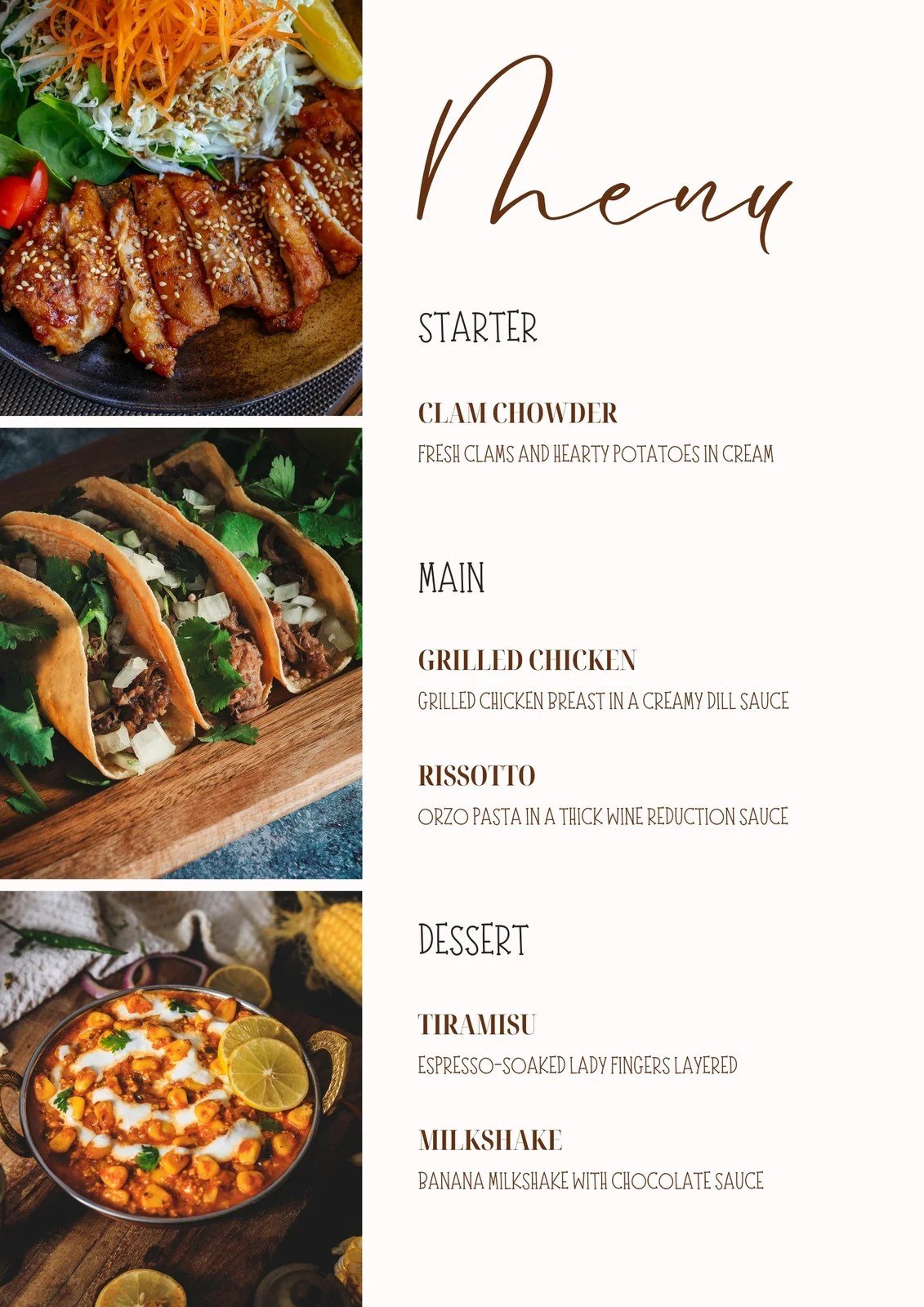
For many, the idea of enjoying a truly exquisite meal at a fine dining establishment feels like a distant fantasy, reserved only for special occasions or those with unlimited budgets. But what if I told you that experiencing the peak of culinary artistry, the impeccable service, and the memorable ambiance of a high-end restaurant doesn't always require a king's ransom? The secret lies in understanding how to strategically navigate the world of Budget & Fine Dining Options, turning aspirational indulgence into an achievable reality.
This isn't about compromising quality or settling for a lesser experience. It's about smart planning, timing, and leveraging insider knowledge to unlock the luxury you deserve without the financial guilt. Think of it as decoding the secret menu to an exclusive club, where your membership is simply a willingness to be a savvy diner.
At a Glance: Your Blueprint for Accessible Luxury
- Timing is everything: Lunch and early-bird menus offer high-end food at significantly reduced prices.
- Embrace Restaurant Week: Capitalize on city-wide promotions for fixed-price gourmet meals.
- Happy Hour for Gourmands: Enjoy premium small plates and drinks at a fraction of the cost.
- Go Digital: Loyalty apps, email lists, and social media are goldmines for exclusive deals.
- Order Smart: Share plates, explore bar menus, and use gift cards wisely.
- Beyond Michelin: Discover hidden gems and "value" spots that punch above their weight.
Redefining Fine Dining: It's Not Just About the Price Tag
Before we dive into the how-to, let's reset our understanding of "fine dining." It's not solely about white tablecloths and exorbitant bills. It's about the quality of ingredients, the artistry of the chef, the attentiveness of the service, and the overall experience that elevates a meal beyond mere sustenance. When you seek out budget-friendly fine dining, you're not trying to cheat the system; you're simply optimizing your access to these elements.
The perception that fine dining is inaccessible often stems from focusing solely on dinner tasting menus at peak times. However, restaurants, like any business, have fluctuating demand and strategic pricing to manage overhead and fill seats. Your goal is to align your dining desires with their operational needs, creating a win-win scenario where you get exceptional food for less, and they maintain a bustling establishment.
Chapter 1: Mastering the Clock – When to Dine for Less
The most significant lever you have in making fine dining affordable is often simply when you choose to eat. Restaurants structure their services with different offerings throughout the day and week, each with its own price point. Learning to leverage these timing differences is perhaps the most effective strategy in your toolkit.
The Power of the Lunch Prix Fixe (and Early Dinner)
Many high-end restaurants offer a "prix fixe" (fixed price) lunch menu that features dishes from their dinner menu, or equally sophisticated creations, at a substantially lower cost. Think of it as a truncated, slightly less elaborate version of their evening service. You might get two or three courses for half the price of a full dinner tasting menu.
Why it works: Lunch services typically have lower overhead (fewer staff, less elaborate presentations) and lower demand than dinner. Restaurants use lunch as an opportunity to introduce new diners to their cuisine, attract business meetings, and keep their kitchens running efficiently.
How to make it work for you:
- Check restaurant websites: Look specifically for "Lunch Menu," "Business Lunch," or "Prix Fixe Lunch."
- Book ahead: Even for lunch, popular spots can fill up, especially if they're known for their lunch deal.
- Consider "early bird" or pre-theater menus: Similar to lunch deals, these early dinner options (often 5 PM – 6:30 PM) offer multi-course meals at a reduced price, designed to get diners in and out before the main dinner rush.
Embracing the Feast of Restaurant Week
Almost every major city hosts an annual "Restaurant Week" (or sometimes a "Restaurant Month"). During these periods, participating high-end establishments offer multi-course meals (often three courses for lunch, three or four for dinner) at heavily discounted fixed prices. This is arguably the most direct route to experiencing fine dining on a budget.
Why it works: Restaurant Week is a city-wide promotion designed to boost local tourism, introduce diners to new restaurants, and encourage repeat business. For restaurants, it's a marketing opportunity and a chance to fill seats during potentially slower periods.
How to make it work for you:
- Stay informed: Sign up for email alerts from your city's tourism board or restaurant associations.
- Book early, very early: The best restaurants and most desirable time slots disappear fast. As soon as the reservation window opens, jump on it.
- Read the fine print: Check for exclusions (e.g., specific dates, additional charges for certain dishes, drink pairings). Some restaurants also offer different menus for lunch and dinner during Restaurant Week; decide which offers the best value for you.
- Factor in drinks and tip: The fixed price rarely includes beverages or gratuity, so budget for those separately.
Happy Hour's Hidden Gems: Gourmet Small Plates & Drinks
Happy hour isn't just for cheap beer and wings anymore. Many upscale restaurants, cocktail bars, and even Michelin-starred establishments offer sophisticated happy hour menus featuring gourmet small plates, discounted cocktails, and select wines. This is your chance to sample high-quality ingredients and culinary techniques without committing to a full meal.
Why it works: Happy hour capitalizes on the post-work crowd, encouraging them to stay for dinner or simply enjoy an elevated snack and drink experience. It helps restaurants activate their bar areas during off-peak times.
How to make it work for you:
- Look for "Bar Bites" or "Small Plates" menus: These often feature smaller, more experimental versions of the main menu's dishes, or unique creations designed for sharing.
- Research online: Many restaurants prominently display their happy hour specials on their websites.
- Consider sharing: Order a few different small plates to share with a companion, allowing you to sample a wider range of flavors without breaking the bank.
- Don't forget the drinks: This is a prime opportunity to try expertly crafted cocktails or high-quality wines at a reduced price.
Off-Peak Perfection: Mid-Week & Lesser-Known Days
Just like lunch versus dinner, dining on a Tuesday or Wednesday evening is often less expensive and less competitive than a Friday or Saturday night. Some restaurants might even have specific mid-week promotions or specials. You'll also likely enjoy a more relaxed atmosphere and more attentive service with fewer crowds.
How to make it work for you:
- Flexibility is key: If your schedule allows, aim for dining on Monday, Tuesday, Wednesday, or Thursday evenings.
- Check for weekly specials: Some establishments offer specific deals on certain nights, like a "wine pairing Wednesday" or a "tasting menu Tuesday."
Chapter 2: The Digital Edge – Leveraging Apps, Email, & Social Media
In the digital age, your smartphone and inbox are powerful tools for unlocking exclusive dining deals. From reservation platforms to loyalty programs, the virtual world is ripe with opportunities to save money and enhance your fine dining experience.
Loyalty Apps & Cashback Programs: Your Digital Discount Card
A growing number of apps and programs offer direct savings, cashback, or points for dining out. These tools are designed to encourage patronage and reward frequent diners.
Key examples and how they work:
- OpenTable & Seated: While primarily reservation platforms, they often feature special promotions, reward points for booking, or even offer direct cashback incentives (like Seated) for dining at specific restaurants. These can be particularly useful for discovering restaurants that offer good value.
- Cashback apps (e.g., Fluz): Some apps allow you to purchase exact-amount digital gift cards for restaurants at a discount, offering instant savings. Imagine buying a $100 gift card for $90 right at the table. Always check which restaurants participate and the terms of service.
- Restaurant-specific loyalty programs: Many individual restaurants, especially those with multiple locations or a strong brand, have their own loyalty programs. These can offer points for every dollar spent, leading to future discounts, complimentary dishes, or even exclusive invitations.
Actionable steps:
- Download and explore: Install a few popular dining apps and cashback services to see which restaurants in your area participate.
- Sign up for loyalty programs: If you frequent a particular upscale restaurant (or aspire to), join their loyalty program. The perks can be surprisingly generous.
- Read the fine print: Understand how points are accrued and redeemed, and any expiration dates for gift cards or cashback offers.
The Power of the Email List & Newsletter
This is perhaps the simplest yet most overlooked digital strategy. When you sign up for a restaurant's email list, you're granting them permission to send you exclusive offers, news about seasonal menus, and invitations to special events.
What you can expect:
- Birthday perks: Many restaurants offer a complimentary dessert, appetizer, or even a percentage off your meal during your birthday month.
- Exclusive promotions: First access to new tasting menus, wine pairing dinners, or specific mid-week discounts.
- Priority reservations: Sometimes, loyalty members or email subscribers get a head start on booking for popular events like Restaurant Week.
- Complimentary additions: A free glass of sparkling wine upon arrival, a surprise amuse-bouche, or a discounted bottle of wine with your meal.
Pro-tip: Create a dedicated email folder for restaurant newsletters so they don't get lost in your main inbox.
Social Media: Flash Sales & Last-Minute Deals
Following your favorite fine dining establishments on Instagram, Facebook, or X (formerly Twitter) can provide immediate access to last-minute opportunities. Restaurants sometimes use social media to announce:
- Cancellations: A coveted table opening up at short notice, often with an incentive to book quickly.
- Flash sales: A sudden discount on a specific dish or a limited-time special.
- Special events: Announcements for pop-ups, chef collaborations, or themed dinners that might offer unique value.
How to leverage it:
- Follow your dream restaurants: Identify the places you'd love to try and hit that follow button.
- Turn on notifications: For truly coveted spots, consider turning on post notifications so you don't miss a fleeting opportunity.
- Engage: Liking and commenting can sometimes give you a slight edge in visibility or even lead to direct interaction.
While researching potential dining spots, you might stumble upon fantastic local guides, like those highlighting Dublin restaurants under €20. These types of resources, often shared through local social media groups or food blogs, can unearth incredible value in unexpected places, proving that high-quality food doesn't always come with a high price tag.
Chapter 3: Smart Ordering – Mastering the Menu & the Mindset
Beyond when and how you book, what and how you order once you're seated can significantly impact your final bill. This involves a strategic approach to the menu itself, understanding where the value lies, and making informed choices.
A La Carte vs. Tasting Menus: Control Your Destiny
Tasting menus are a hallmark of fine dining, offering a chef's curated journey through their cuisine. They can be wonderful experiences, but they often come with a hefty price tag. For budget-conscious diners, the à la carte menu is your best friend.
Why à la carte offers value:
- Cost control: You choose exactly what you want and how much you're willing to spend.
- Focus on star dishes: You can cherry-pick the dishes that genuinely excite you, rather than paying for courses you might be less enthusiastic about.
- Sharing potential: Order a few appetizers and one main course to share amongst your party, transforming your meal into a gourmet tapas experience.
Considerations for tasting menus: - Special occasions: If you're celebrating, a tasting menu might be worth the splurge for the full experience.
- Research pricing: Be aware that Dublin Michelin tasting menu prices or similar costs in other major cities can vary wildly. Some Michelin-starred spots offer more accessible tasting menus than others, so it pays to investigate.
- Lunch option: As discussed, a lunch tasting menu is often a more budget-friendly way to experience the chef's vision.
The Bar & Lounge Menu: Same Kitchen, Different Price Point
Many fine dining restaurants have a separate bar or lounge area with its own, often more casual and less expensive, menu. These dishes frequently come from the exact same kitchen as the main dining room but are portioned differently or presented in a less elaborate style, allowing for a more accessible price.
What to look for:
- Gourmet burgers: Often a staple on bar menus, a high-quality burger from a fine dining kitchen can be an incredibly satisfying and relatively affordable meal.
- Artisanal pizzas or flatbreads: When prepared with premium ingredients and techniques, these can be elevated comfort food.
- High-end appetizers: Treat these as sophisticated small plates, combining a couple for a meal.
- Cocktails & wine: The bar menu is often the best place for discounted drinks.
The experience: While the ambiance might be slightly less formal than the main dining room, you still get to soak in the restaurant's overall atmosphere, enjoy attentive service, and taste the chef's culinary prowess.
Gift Cards & Promotional Deals: The Art of Strategic Redemption
Gift cards are not just for last-minute presents; they can be a powerful tool for strategic dining. Keep an eye out for promotions where you receive a bonus gift card when purchasing a certain amount. For example, buy a $100 gift card, get a $25 bonus card. This effectively gives you a 25% discount on a future meal.
Tips for using gift cards and promotions:
- Check expiration dates: Always be aware of when gift cards and promotional offers expire.
- Read the fine print: Some gift cards or promotional offers might have restrictions, such as not being valid on holidays, for specific menu items, or during Restaurant Week.
- Combine with other strategies: Use a gift card for a lunch prix fixe, maximizing your savings.
- Monitor deal sites: Platforms like Groupon, Yelp Deals, and local coupon sites occasionally feature significant discounts (e.g., 50% off or "buy one get one free") for higher-end restaurants. Book early, as these are often limited in quantity.
You'd be surprised how many establishments that are recognized as the Top value restaurants in Dublin also participate in such deals, making an already good deal even better.
Chapter 4: Debunking Myths & Common Questions
Let's address some of the lingering doubts and common misconceptions people have about budget-friendly fine dining.
"Is Fine Dining Ever Truly 'Cheap'?"
No, not "cheap" in the sense of fast food prices. But "accessible" and "value-driven" are absolutely achievable. The goal isn't to get a three-star meal for $10. It's to experience world-class ingredients, innovative cooking, and impeccable service for a price that feels reasonable and proportionate to the quality, perhaps $50-$100 instead of $200-$300 per person. You're reducing the premium cost, not eliminating the inherent value.
"Won't the Staff Treat Me Differently if I'm on a Budget?"
Absolutely not. Reputable fine dining establishments pride themselves on offering exceptional service to all guests, regardless of how much they spend. Their reputation depends on it. Be polite, engaging, and appreciative, and you'll receive the same attentive service as any other patron. Remember to budget for a generous tip based on the quality of service you received and the actual value of the meal, not just your discounted price.
"What if the 'Deal' Menu Isn't Representative of the Restaurant's Best?"
While some "deal" menus might be simplified, most fine dining restaurants use them as an opportunity to showcase their culinary philosophy and attract new regulars. Chefs typically put a lot of thought into their lunch or Restaurant Week menus, often featuring signature dishes or seasonal specialties adapted for the format. It's a taste of their excellence, designed to make you want to return for the full experience.
"How Do I Choose Which Deal is Best?"
- Consider the occasion: Is it a casual treat or a special celebration? This will guide whether a happy hour, lunch prix fixe, or Restaurant Week deal is more appropriate.
- Review menus online: Compare the offerings. Does one deal include dishes you're particularly excited about?
- Read reviews: Check recent reviews on platforms like Yelp or Google for specific feedback on the deal menu you're considering.
- Factor in the total cost: Don't just look at the fixed price. Account for drinks, tax, and tip to get your true "all-in" cost.
Chapter 5: Expanding Your Culinary Horizons – Beyond the Obvious Stars
While Michelin stars and "World's 50 Best" lists are exciting, don't limit your definition of fine dining to just these establishments. There's a vast ecosystem of high-quality restaurants that offer incredible culinary experiences without the astronomical price tags.
Discovering Rising Stars & Neighbourhood Gems
Many up-and-coming chefs, or established chefs venturing into new concepts, open restaurants that offer Michelin-level ambition without the accompanying price tag – yet. These are often places driven by passion, fresh ideas, and a focus on exceptional ingredients.
How to find them:
- Local food blogs & critics: Follow trusted local food writers who often highlight new openings and hidden gems.
- Word of mouth: Ask fellow foodies for their recommendations.
- Explore diverse cuisines: Don't limit yourself to French or Italian. Japanese omakase, modern Indian, or elevated regional American cuisine can all offer incredibly refined experiences.
- Consider "Bib Gourmand" restaurants: Michelin guides don't just award stars; their "Bib Gourmand" category recognizes restaurants offering "good quality, good value cooking." These are fantastic places to find exquisite food at a more reasonable price point.
Leveraging the Power of the Culinary School
Many top culinary schools operate public-facing restaurants where students, under the watchful eye of experienced chef-instructors, prepare and serve meals. These establishments often offer multi-course menus at a fraction of the cost you'd pay at a comparable professional restaurant. It's a chance to support emerging talent and enjoy beautifully executed dishes.
What to expect:
- High standards: Culinary schools are rigorous, so the food quality is often excellent.
- Varied menus: Menus might change frequently as students progress through different units.
- Formal service: Students are often learning classic service techniques, so expect a polished, if sometimes slightly nervous, experience.
Your Invitation to Accessible Luxury
The world of fine dining is far more accessible than you might think. It simply requires a shift in mindset and a willingness to employ a few strategic tactics. By leveraging timing, digital tools, and smart ordering, you can savor exquisite flavors, impeccable service, and memorable atmospheres without depleting your savings.
So, go ahead. Browse those lunch menus. Sign up for that newsletter. Keep an eye on those happy hour specials. The next extraordinary meal you experience might be just around the corner, waiting for you to discover its secret, budget-friendly entrance. It’s time to move beyond aspiration and step into the world where luxury dining is truly within reach. Your palate (and your wallet) will thank you.